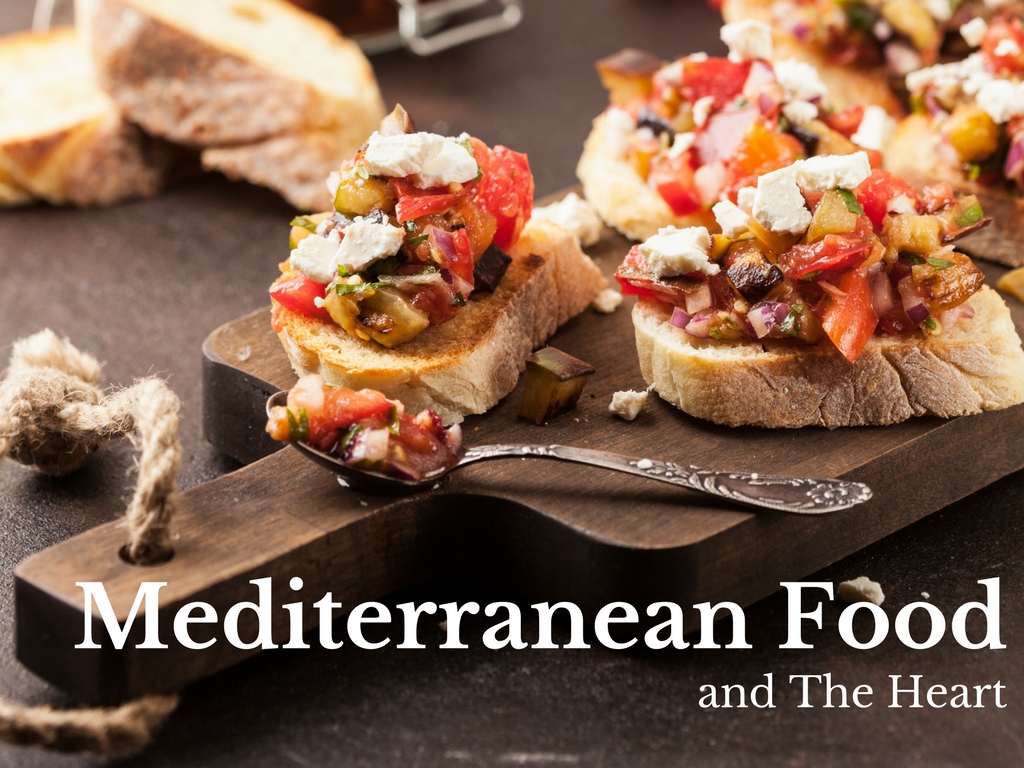
 Whether it’s a hearty tomato sauce or some light cured meat, Mediterranean food is delicious. That’s not news to anybody. But in a recent study published in the American Heart Association’s journal Circulation, researchers reported their findings that Mediterranean food, particularly enriched with virgin olive oil, could boost the cardioprotective effects of good cholesterol.
There are two types of molecules called “lipoproteins” that carry cholesterol in the blood: low-density lipoprotein (LDL) and high-density lipoprotein (HDL). Since high levels of LDL can bring about plaque buildup in arteries, it’s considered “bad” cholesterol. HDL, on the other hand, is considered “good” cholesterol, since it absorbs cholesterol and carries it to the liver to flush it from the body. There’s been growing evidence that a Mediterranean diet protects against the development of heart disease, and studies have shown that it improves the lipid profile of HDLs. Yet there’s evidence that HDL doesn’t work as well in people at high risk for various cardiovascular diseases, and its functional ability matters just as much as quantity. Yet small-scale trials have also shown that antioxidant-rich foods like virgin olive oil, tomatoes and berries all improved HDL function in humans. Therefore, the researchers aimed to determine whether eating a Mediterranean diet enriched with virgin olive oil or nuts would improve the benefits of HDL in humans.
The researchers randomly selected 296 individuals with a high risk of heart disease, with an average age of 66, and were assigned to one of three diets for a year. The first was a “traditional” Mediterranean diet enriched with around 4 tablespoons of virgin olive oil per day. The second was the same, although it was supplied with nuts instead of olive oil. The third was a healthy “control” diet that contained reduced amounts of red meat, high-fat dairy products, processed foods and sweets. Both Mediterranean diets included fruit, vegetables, legumes and moderate amounts of fish and chicken. At the start and end of the study, blood tests were conducted to measure LDL and HDL levels.
The researchers discovered that total and LDL cholesterol levels were only reduced in the healthful control diet. Although none of the three diets significantly increased HDL levels, both of the Mediterranean diets improved HDL function, which was more pronounced in the group enriched with virgin olive oil. HDL functions such as reversing cholesterol transport, providing antioxidant protection and enabling vasodilation were all improved. Although the control diet was rich in fruits and vegetables like the Mediterranean diets, it had an adverse impact on HDL’s anti-inflammatory properties, an impact not observed in the Mediterranean diets. Yet the researchers only found slight differences in results between diets, as expected, since the variation between the two Mediterranean diets was modest and the control diet was still healthy. Nonetheless, this research could pave the way for new ways to fight heart disease.
If you’d like to learn more, you can click here!
