Recommended Diet for a Dialysis Patient

While you’re on dialysis, it’s important to be cognizant of what you’re eating. While on dialysis, it’s important to monitor your intake of sodium, potassium, protein, phosphorus, and the amount of fluids in the foods you consume. The best option would be to meet with a kidney dietician, however here’s a helpful guide to get you started today.

Low-Sodium
While on dialysis, keep your sodium intake to less than 2,000 mm per day. Many of the foods we eat today have sodium added as a preservative. Be sure to read labels and avoid canned foods that are high in sodium. Shop for snacks that are low-sodium or don’t have salt added. It’s good to keep in mind that if food has the label “low-sodium,” it could mean a lot of potassium has been added to substitute the salt.

Low-Potassium
Whole grain foods, bananas, tomatoes, potatoes, orange juice, and cereals can all contain high amounts of potassium. Good substitutions for these foods are choosing white bread instead of whole grain, rice over pasta, and fruits and vegetables such as broccoli, cucumbers, carrots, and applesauce.

Lean-Protein
Sources of protein, such as meat, is a key ingredient in your dialysis diet. Choose lean meats that don’t have a high content of salt or any added gravies. These meats can be beef, fish, chicken, and pork. You can also achieve your protein goals by eating foods like black beans, kidney beans, nut butter, and limited amounts of cheese.

Low-Phosphorus
Foods that are high in phosphorus are dairy products, meats, and whole grains. As mentioned above, meats can be an excellent source of protein for patients on dialysis, so be sure to eat whole grains and dairy products in moderation.

Plenty of Fluids
The amount of fluids you should drink will depend on the amount of urine your kidneys produce, so pay close attention to your doctor’s recommendation. Juices that are good for kidney dialysis patients are apple, grape, and cranberry juice. You can also drink tea, water, and clear sodas to keep yourself hydrated.
Mediterranean Food and the Heart

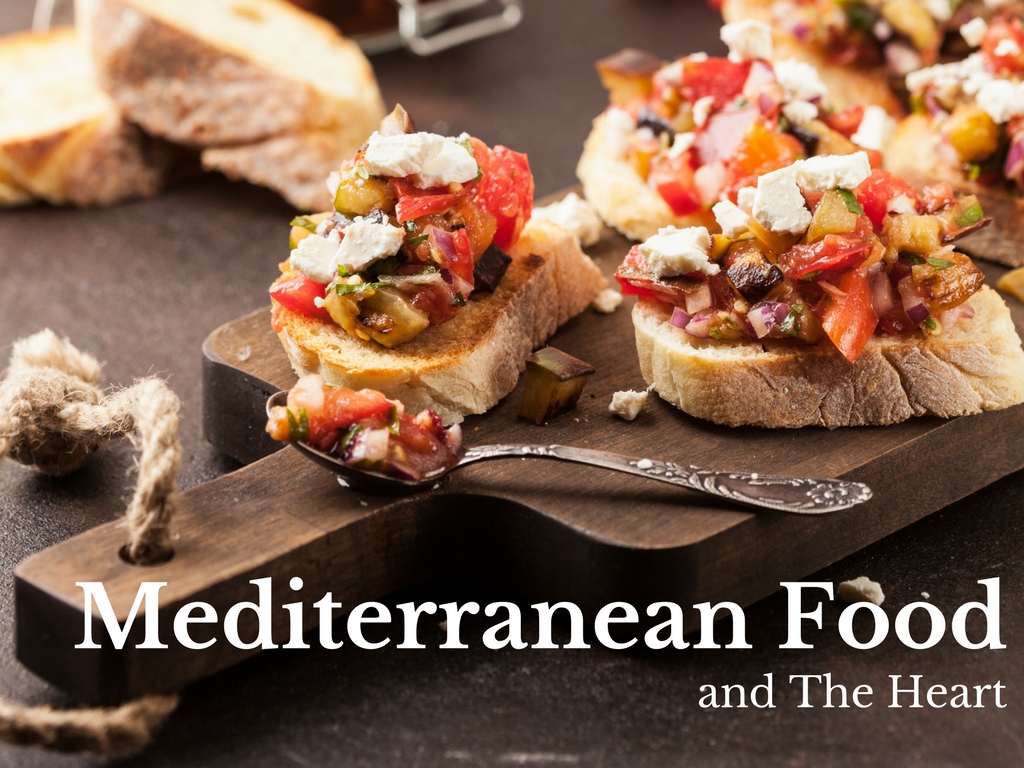
Jamie Stanos - Mediterranean Food and The Heart 1Whether it’s a hearty tomato sauce or some light cured meat, Mediterranean food is delicious.  That’s not news to anybody.  But in a recent study published in the American Heart Association’s journal Circulation, researchers reported their findings that Mediterranean food, particularly enriched with virgin olive oil, could boost the cardioprotective effects of good cholesterol.  

There are two types of molecules called “lipoproteins” that carry cholesterol in the blood: low-density lipoprotein (LDL) and high-density lipoprotein (HDL).  Since high levels of LDL can bring about plaque buildup in arteries, it’s considered “bad” cholesterol.  HDL, on the other hand, is considered “good” cholesterol, since it absorbs cholesterol and carries it to the liver to flush it from the body.  There’s been growing evidence that a Mediterranean diet protects against the development of heart disease, and studies have shown that it improves the lipid profile of HDLs.  Yet there’s evidence that HDL doesn’t work as well in people at high risk for various cardiovascular diseases, and its functional ability matters just as much as quantity.  Yet small-scale trials have also shown that antioxidant-rich foods like virgin olive oil, tomatoes and berries all improved HDL function in humans.  Therefore, the researchers aimed to determine whether eating a Mediterranean diet enriched with virgin olive oil or nuts would improve the benefits of HDL in humans.  

The researchers randomly selected 296 individuals with a high risk of heart disease, with an average age of 66, and were assigned to one of three diets for a year.  The first was a “traditional” Mediterranean diet enriched with around 4 tablespoons of virgin olive oil per day.  The second was the same, although it was supplied with nuts instead of olive oil.  The third was a healthy “control” diet that contained reduced amounts of red meat, high-fat dairy products, processed foods and sweets.  Both Mediterranean diets included fruit, vegetables, legumes and moderate amounts of fish and chicken.  At the start and end of the study, blood tests were conducted to measure LDL and HDL levels.  

The researchers discovered that total and LDL cholesterol levels were only reduced in the healthful control diet.  Although none of the three diets significantly increased HDL levels, both of the Mediterranean diets improved HDL function, which was more pronounced in the group enriched with virgin olive oil.  HDL functions such as reversing cholesterol transport, providing antioxidant protection and enabling vasodilation were all improved.  Although the control diet was rich in fruits and vegetables like the Mediterranean diets, it had an adverse impact on HDL’s anti-inflammatory properties, an impact not observed in the Mediterranean diets.  Yet the researchers only found slight differences in results between diets, as expected, since the variation between the two Mediterranean diets was modest and the control diet was still healthy.  Nonetheless, this research could pave the way for new ways to fight heart disease.

If you’d like to learn more, you can click here!

Cheese For the Heart

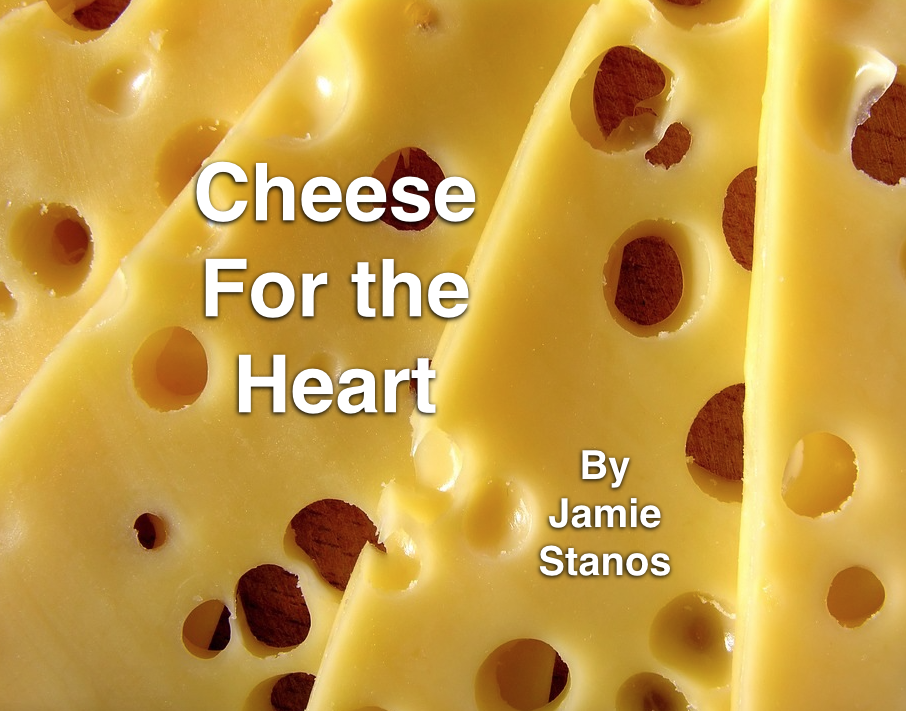
Cheese for the heart by jamie stanosOver the years, I’ve heard a whole lot of different proposed diets: Atkins, South Beach, Jenny Craig, Weight Watchers, all-carb, no-carb, you name it.  These mostly promise the same result: improved health and spectacular weight loss.  But all of them offer wildly varying, often contradicting, means to that end.  Yet a quiet revolution in mainstream scientific thinking has begun to take hold, one that views full-fat dairy products differently.

Cheese has almost always been viewed as a fattening food that’s dangerous to our heart health.  Yet directly in contrast to veganism and pretty much everybody’s preconceived notion, Dr. Arne Astrup, professor and head of the department of nutrition, exercise and sports at the University of Copenhagen, cheese is actually beneficial to cardiovascular health.  At the American Heart Association scientific sessions, Astrup declared that a diet of cheese plays a large part in managing type 2 diabetes and cardiovascular disease.  He doesn’t think that there’s any harmful effect from eating cheese, but is rather beneficial.  

In a recent comprehensive meta-analysis of 31 prospective cohort studies, a high dairy intake was associated with a 9% reduction in the risk of stroke, an 18% lower risk of coronary heart disease and a 13% reduction in risk of stroke.  Investigators in the Netherlands (a country known for their love of cheese) made a meta-analysis of 18 prospective cohort studies found that risk of stroke fell 7% for each 200 ml of dairy consumed every day, while consumption of 25 gm a day or more of cheese was associated with a 13% reduction in stroke risk and 8% lower risk of CHD.  A joint Chinese/Dutch meta-analysis found a 14% relative risk reduction for CHD and a 10% lower risk of stroke with high versus low cheese intake.  

This “classic lipid” hypothesis tied with cardiovascular disease says that dietary saturated fat raises blood cholesterol, which in turn accelerates atherosclerosis and CHD.  Yet recent studies indicate that not all saturated fats are equally harmful, and have vastly different biological effects.  For example, the saturated fatty acids and trans fats in red meat are damaging, yet those in dairy products are actually cardioprotective.  According to Dr. Astrup, fermented dairy products contain a long list of potentially beneficial nutrients in addition to saturated fats.  Strong evidence suggests that a diet high in dairy products reduces the risk of childhood obesity and enhances body consumption in adults.  Even the World Cancer Research Fund has weighed in, concluding that dairy products probably protect against colorectal, breast, gastric and bladder cancer.  

If you’d like to learn more, you can click here!

What People on Dialysis Want You to Know

What people on dialysis want you to know by Jamie StanosBeing on dialysis is a tough experience.  If somebody you know and care about is on dialysis, here are some things they want you to know, based off a blog post I recently read:

You don’t understand what it’s like: You’ll never understand what it’s like to be on dialysis, but that’s okay.  Somebody on dialysis will always appreciate the effort you make to understand their situation and cater to their needs.

They’ll be upset sometimes, but it isn’t about you: Even if somebody on dialysis is upset when you visit them, that doesn’t mean they want you to stop visiting them altogether.  If they’re upset, it might have to do with any of the things that could make dialysis an unpleasant experience.  Don’t take it personally, it has nothing to do with you, and it doesn’t mean you should stop visiting.

They’ll have to cancel plans a lot: Sometimes somebody on dialysis doesn’t feel like getting together because they’re sick or tired, it has nothing to do with you.  Dialysis patients crave social interaction just as much as everybody else, and still want to do the same fun stuff they used to enjoy, but it might not always be possible.  Related to the previous point, just because somebody on dialysis keeps canceling plans, it doesn’t mean that they don’t want to see you.

There’s no cure, just treatment: This is a hard thing for anybody to wrap their head around: there’s no cure for ESRD, simply treatment.  If they stop getting treatment, they’ll die.  This is a scary thing for somebody on dialysis to live with: every day they need to make the conscious decision to live.

They’re probably bitter: Kidney failure isn’t fun.  Interminable hours spent on dialysis, keeping track of everything you eat and drink, massive needles and constant doctors appointments take their toll.  It can be hard to handle.

They’ll pretend things are better than they actually are: When somebody on dialysis says they’re “okay”, there’s a chance they are some things they’d rather not discuss.  There’s always something going on with a dialysis patient, though they might not think you need to worry about everything.

What is Hemodialysis?

Dialysis is a medical procedure in which excess water and waste matter are removed from a patient’s blood. This practice is most commonly used for individuals who have experienced loss of kidney function and/or kidney failure, and for patients with end-stage renal disease. To put it simply, dialysis is artificial kidney function. There a few different types of dialysis methods; one of the  major primary methods is Hemodialysis which is  used “when preemptive kidney transplantation is not possible”. (source).

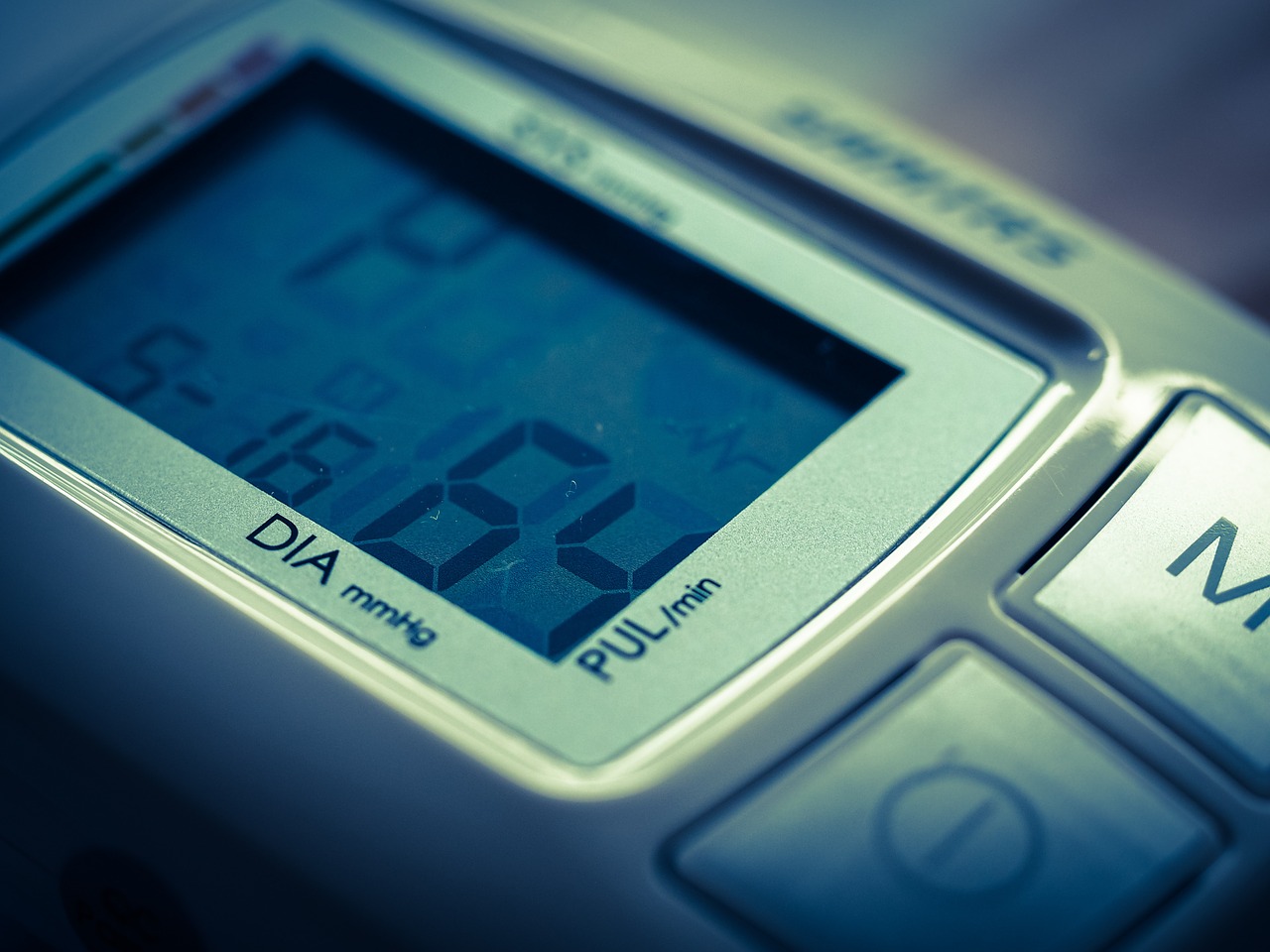
jamie stanos blood pressure monitor

Hemodialysis

This dialysis process acts as the kidneys to remove waste and extra salt and fluid from the blood. Hemodialysis involves the removal of the blood from the body, so that it can be run through a dialyzer, which filters the blood.
The blood is both removed from and returned to the patient’s body through an access, which will either be a vascular access like an AV graft or AV fistula, or through a catheter. Only a small amount of blood is removed from the body at once, and the blood is moved through a series of tubes to the dialyzer.

Traditional hemodialysis is a very regimented treatment. Typically hemodialysis is performed in a dialysis center, and patients receive the treatment three times a week for four hour sessions. Patients will either be placed on a Monday/Wednesday/Friday schedule or a Tuesday/Thursday/Saturday schedule, and then scheduled a time of day to receive treatment as well. Due to the fact that the treatment is complex, there is little room for flexibility in terms of schedule. (source)

Home Hemodialysis

However, recent technology advancements have made it possible for some dialysis patients to treat themselves at home with HHD (Home HemoDialysis). This process is absolutely not for everyone, as it involved the learning and comprehension of a great deal of information. The success of home hemodialysis is dependant on the patient (or caregiver’s) knowledge of the treatment.

If home hemodialysis is a safe treatment option for the patient, it allows for more much more flexibility. There are three subtypes of home hemodialysis: Conventional, Short Daily, and Nocturnal.

Conventional home hemodialysis is performed exactly as it would be in a dialysis center. The treatments still take place three times a day, for four hours a day on the alternating day schedule. Training for the conventional practice can be short as several weeks to as long as several months depending on the patient’s specific case.

Short Daily home dialysis is performed more frequently throughout the week, for shorter amounts of time than traditional dialysis sessions. These sessions will last around 2 hours, and take place over as few as 5 days and as long as the full 7 days of the week.

There are a few inherent benefits of this type of treatment. For one, the training time is a few weeks vs a few weeks to months. The frequency of the treatments means less blood is being removed during each session. This means the side effects and symptoms of treatment are lessened.

Nocturnal home dialysis is a much slower process, which takes place over the length of your sleep (6-8 hours). Depending on what the physician recommend, the treatment can be delivered every other night or 6 days a week.

The benefit of the nocturnal treatment is that the longer process allows for more waste to be removed from the blood on a weekly basis.


For resources and more information, please visit the following sites: Kidney.org , UFHealth, NIH.gov

Former President of ACC Recommends Veganism

jamies stanos heart

In 2014, the (then) president elect for the American College of Cardiology, Dr. Kim A. Williams,  published an article on MedPage Today that both explained his experience with veganism, and why he recommended the diet his patients suffering from hypertension and Type 2 diabetes (among other medical afflictions). The article brought on a great deal of backlash from the Cardiology community, as many medical professionals felt he was pushing a “radical” diet on everyone based on just his individual experience. Dr. Williams dismissed these claims as not being true.

Controversy aside, Dr. Williams’s article and experiences with veganism offer some interesting insight into (his experience) benefits of veganism.


Dr. Williams noted in his article that he became interested in the vegan diet after he learned that his LDL cholesterol numbers had increased by 60 points in just a few years. Dr. Williams noted that his exercise habits had faltered over those years, but he also had suspicions that his diet was also playing an active part in his cholesterol levels. The cholesterol levels found in food often has a negligible effect on blood cholesterol levels, but do have major effects on certain people, and Dr. Williams believed he was one of them.

Dr. Williams’s diet of no red meat, fried foods, and minimal dairy was clearly not doing the job at maintaining his health as he thought, so he switched to a “cholesterol free” diet, which was for all intents and purposes a vegan (plant based) diet. He found that in six weeks, his LDL cholesterol levels were significantly reduced and were a 90 at his next blood test.

Dr. Williams’s experience (and the results he saw) with his switch to a vegan diet were extraordinary, and definitely offered a glimpse of what veganism was capable of…for certain bodies. Even Dr. Williams acknowledges that the results from such a dietary switch can be variable.

In Dr. Williams’s article on MedPage Today, he also noted that the studies suggesting a connection between plant based diets and reduced heart disease are either “very large and observational or small and randomized” and “ larger randomized trials are needed. ”


Veganism continues to be a controversial topic, and research continues to look for solid links between plant based diets and overall health. While I always encourage a “healthy” diet, I continue to be interested in exactly what is truly considered “healthy”.

Is it a fully plant-based diet? Is it vegetarianism? 

As this article published by Harvard Health Publications stated,

there still aren’t enough data to say exactly how a vegetarian [or vegan] diet influences long-term health.”

It will be interesting to see what conclusions the medical field will be able to draw with continued research.


For additional sources for this post, please see the following articles: The New York Times and MedPage Today

#ChangeTheTune | The Truth About Coca Cola

The Center for Science in the Public Interest is an organization committed to health advocacy. Recently, they brought attention to the health effects of drinking soda and sugary drinks like Coca Cola. It did this by releasing a revised theme for a popular Coca Cola advertisement. It shared a re-written version of the song lyrics from the original. The goal was to critique the historical advertising strategy that Cola brings happiness and replace it about the true health implications tied to consuming the drink. Attached to this ad spoof is a social media hashtag called #ChangeTheTune to raise awareness on misleading ads.

Soft drinks and sweetened energy drinks are known to place American diets in jeopardy. Harvard University’s T.H. Chan School of Public Health has a fact sheet that supports this claim. Soda is known to cause weight gain due to the high caloric value of the sugary drink. People usually don’t end up eating less food after drinking something so high in calories and therefore end up packing on pounds. This contributes to the country’s overall obesity rates.According to Harvard, on soda per day without a reduction of calories anywhere else could result in a five pound weight gain each year.

The JAMA Internal Medicine journal recently released data stating that of all individuals in America over the age of twenty-five, 67.6 million of them are obese. This information deserves a call to action. The fact that obesity can lead to chronic health issues should also be aggressively made clear. The Coca Cola ad spoof highlights those with hypertension, tooth decay, and diabetes singing about the soft drink from within a hospital exam room and not from a joyous hillside in the sun. These people want viewers to see that soda does not equal happiness.

To learn more about CSPI and their rendition of a popular Coca Cola ad, visit Deseret National News online here.