Recommended Diet for a Dialysis Patient

While you’re on dialysis, it’s important to be cognizant of what you’re eating. While on dialysis, it’s important to monitor your intake of sodium, potassium, protein, phosphorus, and the amount of fluids in the foods you consume. The best option would be to meet with a kidney dietician, however here’s a helpful guide to get you started today.

Low-Sodium
While on dialysis, keep your sodium intake to less than 2,000 mm per day. Many of the foods we eat today have sodium added as a preservative. Be sure to read labels and avoid canned foods that are high in sodium. Shop for snacks that are low-sodium or don’t have salt added. It’s good to keep in mind that if food has the label “low-sodium,” it could mean a lot of potassium has been added to substitute the salt.

Low-Potassium
Whole grain foods, bananas, tomatoes, potatoes, orange juice, and cereals can all contain high amounts of potassium. Good substitutions for these foods are choosing white bread instead of whole grain, rice over pasta, and fruits and vegetables such as broccoli, cucumbers, carrots, and applesauce.

Lean-Protein
Sources of protein, such as meat, is a key ingredient in your dialysis diet. Choose lean meats that don’t have a high content of salt or any added gravies. These meats can be beef, fish, chicken, and pork. You can also achieve your protein goals by eating foods like black beans, kidney beans, nut butter, and limited amounts of cheese.

Low-Phosphorus
Foods that are high in phosphorus are dairy products, meats, and whole grains. As mentioned above, meats can be an excellent source of protein for patients on dialysis, so be sure to eat whole grains and dairy products in moderation.

Plenty of Fluids
The amount of fluids you should drink will depend on the amount of urine your kidneys produce, so pay close attention to your doctor’s recommendation. Juices that are good for kidney dialysis patients are apple, grape, and cranberry juice. You can also drink tea, water, and clear sodas to keep yourself hydrated.
Mediterranean Food and the Heart

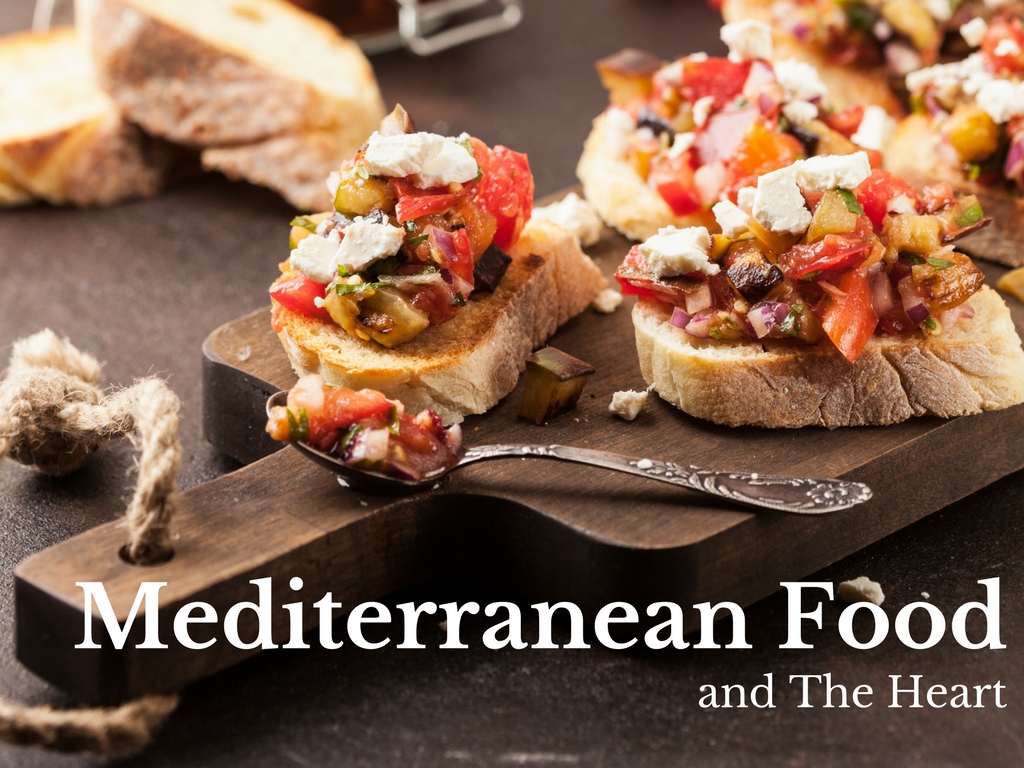
Jamie Stanos - Mediterranean Food and The Heart 1Whether it’s a hearty tomato sauce or some light cured meat, Mediterranean food is delicious.  That’s not news to anybody.  But in a recent study published in the American Heart Association’s journal Circulation, researchers reported their findings that Mediterranean food, particularly enriched with virgin olive oil, could boost the cardioprotective effects of good cholesterol.  

There are two types of molecules called “lipoproteins” that carry cholesterol in the blood: low-density lipoprotein (LDL) and high-density lipoprotein (HDL).  Since high levels of LDL can bring about plaque buildup in arteries, it’s considered “bad” cholesterol.  HDL, on the other hand, is considered “good” cholesterol, since it absorbs cholesterol and carries it to the liver to flush it from the body.  There’s been growing evidence that a Mediterranean diet protects against the development of heart disease, and studies have shown that it improves the lipid profile of HDLs.  Yet there’s evidence that HDL doesn’t work as well in people at high risk for various cardiovascular diseases, and its functional ability matters just as much as quantity.  Yet small-scale trials have also shown that antioxidant-rich foods like virgin olive oil, tomatoes and berries all improved HDL function in humans.  Therefore, the researchers aimed to determine whether eating a Mediterranean diet enriched with virgin olive oil or nuts would improve the benefits of HDL in humans.  

The researchers randomly selected 296 individuals with a high risk of heart disease, with an average age of 66, and were assigned to one of three diets for a year.  The first was a “traditional” Mediterranean diet enriched with around 4 tablespoons of virgin olive oil per day.  The second was the same, although it was supplied with nuts instead of olive oil.  The third was a healthy “control” diet that contained reduced amounts of red meat, high-fat dairy products, processed foods and sweets.  Both Mediterranean diets included fruit, vegetables, legumes and moderate amounts of fish and chicken.  At the start and end of the study, blood tests were conducted to measure LDL and HDL levels.  

The researchers discovered that total and LDL cholesterol levels were only reduced in the healthful control diet.  Although none of the three diets significantly increased HDL levels, both of the Mediterranean diets improved HDL function, which was more pronounced in the group enriched with virgin olive oil.  HDL functions such as reversing cholesterol transport, providing antioxidant protection and enabling vasodilation were all improved.  Although the control diet was rich in fruits and vegetables like the Mediterranean diets, it had an adverse impact on HDL’s anti-inflammatory properties, an impact not observed in the Mediterranean diets.  Yet the researchers only found slight differences in results between diets, as expected, since the variation between the two Mediterranean diets was modest and the control diet was still healthy.  Nonetheless, this research could pave the way for new ways to fight heart disease.

If you’d like to learn more, you can click here!

Former President of ACC Recommends Veganism

jamies stanos heart

In 2014, the (then) president elect for the American College of Cardiology, Dr. Kim A. Williams,  published an article on MedPage Today that both explained his experience with veganism, and why he recommended the diet his patients suffering from hypertension and Type 2 diabetes (among other medical afflictions). The article brought on a great deal of backlash from the Cardiology community, as many medical professionals felt he was pushing a “radical” diet on everyone based on just his individual experience. Dr. Williams dismissed these claims as not being true.

Controversy aside, Dr. Williams’s article and experiences with veganism offer some interesting insight into (his experience) benefits of veganism.


Dr. Williams noted in his article that he became interested in the vegan diet after he learned that his LDL cholesterol numbers had increased by 60 points in just a few years. Dr. Williams noted that his exercise habits had faltered over those years, but he also had suspicions that his diet was also playing an active part in his cholesterol levels. The cholesterol levels found in food often has a negligible effect on blood cholesterol levels, but do have major effects on certain people, and Dr. Williams believed he was one of them.

Dr. Williams’s diet of no red meat, fried foods, and minimal dairy was clearly not doing the job at maintaining his health as he thought, so he switched to a “cholesterol free” diet, which was for all intents and purposes a vegan (plant based) diet. He found that in six weeks, his LDL cholesterol levels were significantly reduced and were a 90 at his next blood test.

Dr. Williams’s experience (and the results he saw) with his switch to a vegan diet were extraordinary, and definitely offered a glimpse of what veganism was capable of…for certain bodies. Even Dr. Williams acknowledges that the results from such a dietary switch can be variable.

In Dr. Williams’s article on MedPage Today, he also noted that the studies suggesting a connection between plant based diets and reduced heart disease are either “very large and observational or small and randomized” and “ larger randomized trials are needed. ”


Veganism continues to be a controversial topic, and research continues to look for solid links between plant based diets and overall health. While I always encourage a “healthy” diet, I continue to be interested in exactly what is truly considered “healthy”.

Is it a fully plant-based diet? Is it vegetarianism? 

As this article published by Harvard Health Publications stated,

there still aren’t enough data to say exactly how a vegetarian [or vegan] diet influences long-term health.”

It will be interesting to see what conclusions the medical field will be able to draw with continued research.


For additional sources for this post, please see the following articles: The New York Times and MedPage Today

Naturally Reenergize Your Body – Part 1

cycling


Our society is one that truly never sleeps.  In order to lead a successful life, our bodies wake up early, commute, work, communicate, and stay up late to tie any loose ends to our days. We are constantly on the go, and all of demand we put on our body through daily tasks and responsibilities takes a toll on our overall energy. There are a few different steps that one can do to replenish and then boost your body’s daily energy.


Eat Small, More Often

The “eat small meals, multiple times a day” schedule is famous because of the belief that it lead to weight loss. While that has not been proven, it has been proven that multiple small meals a day can have a direct correlation to increased energy levels. Our brains use glucose as food. Low levels and high levels of glucose effect the brain similarly; they lead to feelings of sluggishness and a lack of energy. Our current “normal” eating schedules make it impossible to not have unregulated levels of glucose in our bodies, which means we are creating periods of low energy. (We’re used to little or no breakfast and large lunches.)  The key is to start with a fully balanced breakfast, and then eat small, nutritious snacks and meals about every 3-4 hours.


Have A Regular Sleep Schedule

Before modern technology, our brains were trained to release neurotransmitters to the rest of the body that coincided with the sun rising and setting. Our brains and bodies were on a consistent, rhythmic schedule that would sleep when darkness set in and wake up when it was light out. These days, our natural rhythms are interrupted by alarms and routines that keep our sleep schedules erratic. It is up to us to re-regulate our bodies by getting up at the same time and going to sleep at the same time every day. That regularity allows our bodies to sleep more efficiently, which directly correlates to more the recuperation of energy.

Be sure to check back next month for more tips to naturally increase your energy.


__


To see the article that inspired this post, please click here.

Mental Fitness: Managing and Reducing Stress

stress relief
A large part of fitness and wellness is a full maintenance of one’s self. Often times, people worry only about maintaining their physical fitness, but forget to take care of their mental health. One of the most common sources of trauma to the body is the manifestation of stress. There are a few easy ways to manage and reduce your stress, to maintain a healthy life both physically and mentally.


Reduction of Stress


Self Massage. It would be wonderful if we could all just get run to get a massage when we were feeling stressed; but that’s just not possible. What is possible is learning to self massage. Take some time to learn the technique of “self-myofascial” massage, where you put pressure on the tissue that covers your muscles. It helps to release tension knots that are related to stress.


Become aware of your breathing. Taking control of your breathing is one of the quickest ways to begin reducing your stress levels. When you notice that you are feeling stressed, take a moment to stop thinking about the cause of your stress. Instead, focus on your breath itself. Follow your inhales and your exhales and only focus on the breath for a few minutes. Then, begin counting up while you inhale (a count of 3 works best) and counting down while you exhale. Do this for at least five minutes if you have the time.


Management of Stress


Learn to Prioritize. Sometimes your current life situation may feel out of your control. One way to combat that, to make things more manageable is to create a list of tasks that you can be in charge of. Determine which items in the list need to be prioritized first, and create a schedule. That way, you can turn that stress energy into high quality, fast paced productive energy.


Talk it out. Find someone that you can share your feelings of stress with, and discuss. Being able to hear your own issues vocalized really helps with the connection to one’s self. The act of finding the words and knowing that they are being heard by someone other than yourself makes for a more positive environment to work out of.


For the reference article, click here.


A Guide to The (Real) Simple Superfoods

Every time you turn around in the health and fitness industry, you hear the term “superfood”. More often than not, it’s some new exotic grain or impossible-to-find vegetable that is supposed to be the equivalent to the fountain of youth. We all know how that story goes, the superfood of the moment gains popularity for a few weeks (or months) and then fades away when it’s discovered that it didn’t actually do all that much for the body anyway.

But, there are a few foods that truly fit the definition of what a superfood should be. They’re far simpler than one would expect, and are readily available at any standard grocery store.  When someone says superfood, the food should be doing something extraordinary, and that’s what these do. The following foods do more than just provide the great nutrients; they are also packed full of phytochemicals, fiber, and antioxidants, which all have hugely important health benefits.


Blueberries

jamie stanos blurberries

Image courtesy of Getty Images

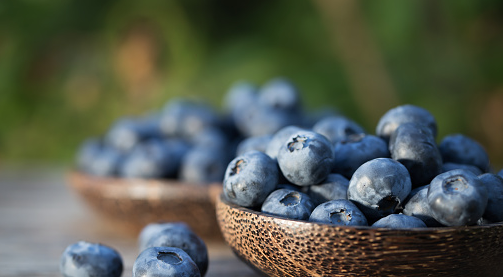
Blueberries are thrown into all kinds of desserts and sweets these days, so people forget how amazing they are on their own. There has been research that suggests blueberries have the ability to reduce high blood pressure and cholesterol. They also have qualities that benefit specific segments of society. For women who are post menopausal, hypertension and high blood pressure are common afflictions. When consumed in specific quantities, blueberries have been found to help these women reduce their diastolic blood pressure. Athletes can also benefit from blueberries, as they help combat the oxidative stress that occurs due to exercise.


Yogurt

jamie stanos yogurt

Image courtesy of Getty Images

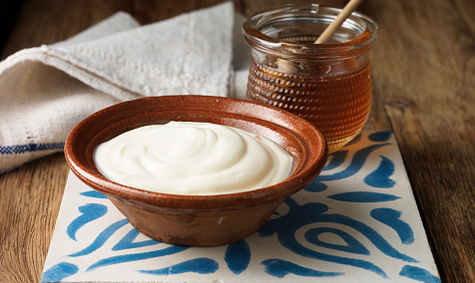
Yogurt is often overlooked for it’s true value; people generally throw yogurt into their daily routine when dieting, but don’t really understand how beneficial yogurt really is. It’s full of calcium, potassium, and both vitamins A and B-12. Ingesting the correct amount of potassium (via yogurt) can contribute to a reduction of high blood pressure. Yogurt as a whole has also been found to help with weight loss and the prevention of type 2 diabetes.


Brassica Vegetables

Screen Shot 2015-09-18 at 1.49.36 PM

Image courtesy of Getty Images

Brassica vegetables are not as fancy as the name suggests. Brassica is the latin name for the cruciferous vegetable family (aka green vegetables):  broccoli, bok choy, brussels sprouts, kale, brussel sprouts, etc. The veggies in the brassica family are known for being very high in nutrients despite having a very low calorie count. They are helpful for anti-inflammation, healthy eyesight, and relieving the same oxidative stress mentioned earlier this article.


The article that inspired this blog was posted here by American Fitness, the official publication of The Aerobics and Fitness Association of America.


Positively Coping with Athletic Injury

heel injury Often times, there are specific and extremely apparent responses when someone who is hugely physical and active becomes injured and is forced to stop their normal athletic routine. Studies have shown that there is a direct negative correlation between injury and emotional well being. It is very important for the injured athlete to learn to cope positively, in order to heal in the most efficient and healthy way. There are a few ways that this can be achieved:

Acknowledge the Power of Positive Thoughts

There has been research stating that keeping up a positive attitude is directly related to a faster rehabilitation period. It’s important not to fall into the trap of only thinking negative thoughts or maintaining an air of pessimism.

Create Specific, Measurable, Attainable, Realistic, and Time-Specific Goals

This is a pretty common structure for setting goals. When dealing with an injury, it’s easy to slip into thinking recovery is impossible, because the end goal of full recovery is so far away. When smaller, specific and measurable goals are set, recovery becomes more manageable. It’s important to make sure these goals align with the information the doctor provides, so that the healing process is safe and doesn’t result in further injury.

Meditation & Relaxation Training

Going through the healing process as an athlete or active fitness fanatic is extraordinarily stressful. There is always the worry that things won’t get better, or that fitness/athletic skills are being depleted.  Learning relaxation techniques is a fantastic way to manage that stress. When practiced properly, relaxation techniques can reduce the activity of stress hormones and improve concentration and mood. Some strategies are based on guided imagery, and others are meditative breathing practices. It’s important to find the technique that works the best, and to use it throughout the rehabilitation process.


Sources: 1 2


#ChangeTheTune | The Truth About Coca Cola

The Center for Science in the Public Interest is an organization committed to health advocacy. Recently, they brought attention to the health effects of drinking soda and sugary drinks like Coca Cola. It did this by releasing a revised theme for a popular Coca Cola advertisement. It shared a re-written version of the song lyrics from the original. The goal was to critique the historical advertising strategy that Cola brings happiness and replace it about the true health implications tied to consuming the drink. Attached to this ad spoof is a social media hashtag called #ChangeTheTune to raise awareness on misleading ads.

Soft drinks and sweetened energy drinks are known to place American diets in jeopardy. Harvard University’s T.H. Chan School of Public Health has a fact sheet that supports this claim. Soda is known to cause weight gain due to the high caloric value of the sugary drink. People usually don’t end up eating less food after drinking something so high in calories and therefore end up packing on pounds. This contributes to the country’s overall obesity rates.According to Harvard, on soda per day without a reduction of calories anywhere else could result in a five pound weight gain each year.

The JAMA Internal Medicine journal recently released data stating that of all individuals in America over the age of twenty-five, 67.6 million of them are obese. This information deserves a call to action. The fact that obesity can lead to chronic health issues should also be aggressively made clear. The Coca Cola ad spoof highlights those with hypertension, tooth decay, and diabetes singing about the soft drink from within a hospital exam room and not from a joyous hillside in the sun. These people want viewers to see that soda does not equal happiness.

To learn more about CSPI and their rendition of a popular Coca Cola ad, visit Deseret National News online here.