Recommended Diet for a Dialysis Patient

While you’re on dialysis, it’s important to be cognizant of what you’re eating. While on dialysis, it’s important to monitor your intake of sodium, potassium, protein, phosphorus, and the amount of fluids in the foods you consume. The best option would be to meet with a kidney dietician, however here’s a helpful guide to get you started today.

Low-Sodium
While on dialysis, keep your sodium intake to less than 2,000 mm per day. Many of the foods we eat today have sodium added as a preservative. Be sure to read labels and avoid canned foods that are high in sodium. Shop for snacks that are low-sodium or don’t have salt added. It’s good to keep in mind that if food has the label “low-sodium,” it could mean a lot of potassium has been added to substitute the salt.

Low-Potassium
Whole grain foods, bananas, tomatoes, potatoes, orange juice, and cereals can all contain high amounts of potassium. Good substitutions for these foods are choosing white bread instead of whole grain, rice over pasta, and fruits and vegetables such as broccoli, cucumbers, carrots, and applesauce.

Lean-Protein
Sources of protein, such as meat, is a key ingredient in your dialysis diet. Choose lean meats that don’t have a high content of salt or any added gravies. These meats can be beef, fish, chicken, and pork. You can also achieve your protein goals by eating foods like black beans, kidney beans, nut butter, and limited amounts of cheese.

Low-Phosphorus
Foods that are high in phosphorus are dairy products, meats, and whole grains. As mentioned above, meats can be an excellent source of protein for patients on dialysis, so be sure to eat whole grains and dairy products in moderation.

Plenty of Fluids
The amount of fluids you should drink will depend on the amount of urine your kidneys produce, so pay close attention to your doctor’s recommendation. Juices that are good for kidney dialysis patients are apple, grape, and cranberry juice. You can also drink tea, water, and clear sodas to keep yourself hydrated.
What is Hemodialysis?

Dialysis is a medical procedure in which excess water and waste matter are removed from a patient’s blood. This practice is most commonly used for individuals who have experienced loss of kidney function and/or kidney failure, and for patients with end-stage renal disease. To put it simply, dialysis is artificial kidney function. There a few different types of dialysis methods; one of the  major primary methods is Hemodialysis which is  used “when preemptive kidney transplantation is not possible”. (source).

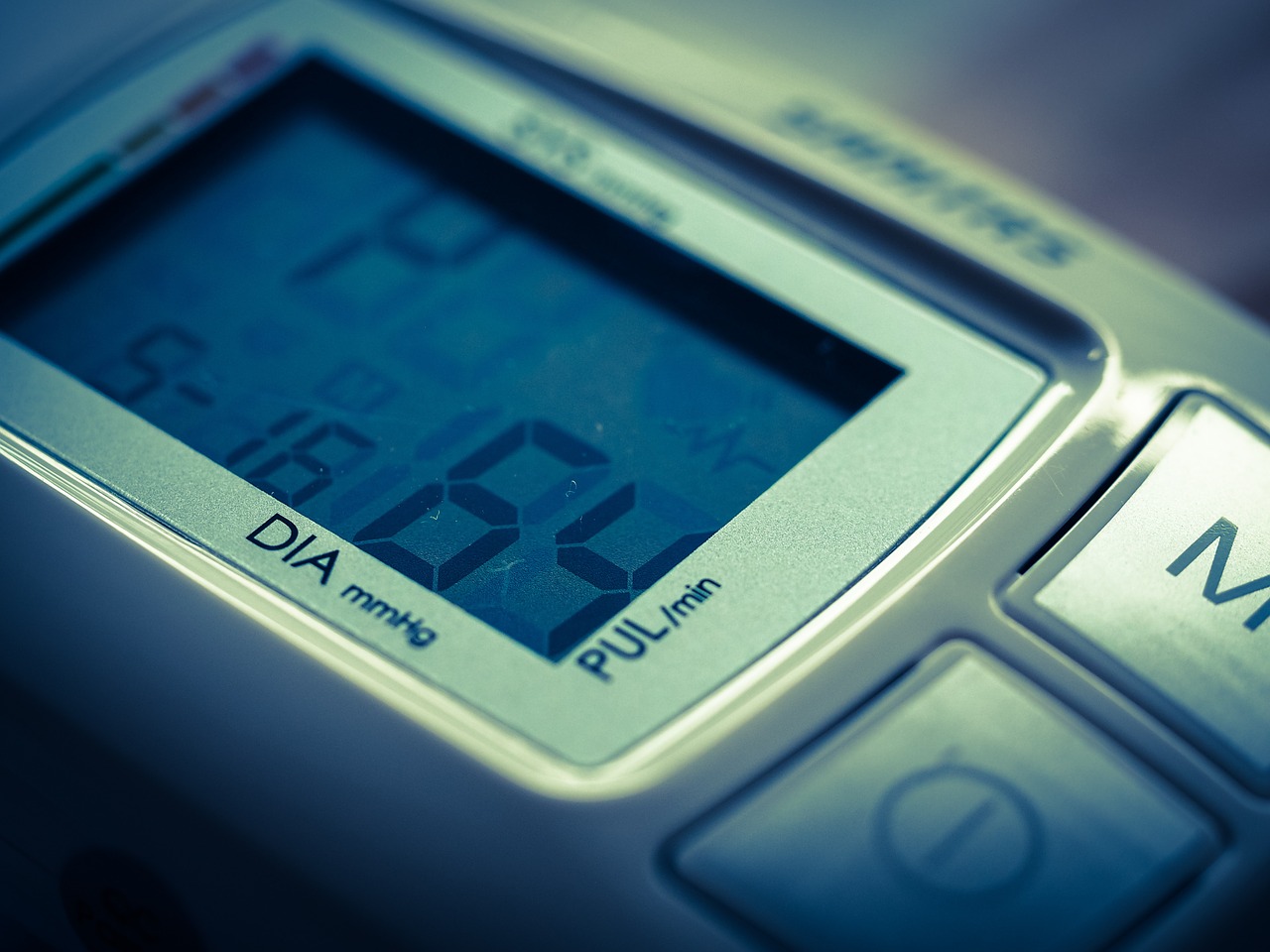
jamie stanos blood pressure monitor

Hemodialysis

This dialysis process acts as the kidneys to remove waste and extra salt and fluid from the blood. Hemodialysis involves the removal of the blood from the body, so that it can be run through a dialyzer, which filters the blood.
The blood is both removed from and returned to the patient’s body through an access, which will either be a vascular access like an AV graft or AV fistula, or through a catheter. Only a small amount of blood is removed from the body at once, and the blood is moved through a series of tubes to the dialyzer.

Traditional hemodialysis is a very regimented treatment. Typically hemodialysis is performed in a dialysis center, and patients receive the treatment three times a week for four hour sessions. Patients will either be placed on a Monday/Wednesday/Friday schedule or a Tuesday/Thursday/Saturday schedule, and then scheduled a time of day to receive treatment as well. Due to the fact that the treatment is complex, there is little room for flexibility in terms of schedule. (source)

Home Hemodialysis

However, recent technology advancements have made it possible for some dialysis patients to treat themselves at home with HHD (Home HemoDialysis). This process is absolutely not for everyone, as it involved the learning and comprehension of a great deal of information. The success of home hemodialysis is dependant on the patient (or caregiver’s) knowledge of the treatment.

If home hemodialysis is a safe treatment option for the patient, it allows for more much more flexibility. There are three subtypes of home hemodialysis: Conventional, Short Daily, and Nocturnal.

Conventional home hemodialysis is performed exactly as it would be in a dialysis center. The treatments still take place three times a day, for four hours a day on the alternating day schedule. Training for the conventional practice can be short as several weeks to as long as several months depending on the patient’s specific case.

Short Daily home dialysis is performed more frequently throughout the week, for shorter amounts of time than traditional dialysis sessions. These sessions will last around 2 hours, and take place over as few as 5 days and as long as the full 7 days of the week.

There are a few inherent benefits of this type of treatment. For one, the training time is a few weeks vs a few weeks to months. The frequency of the treatments means less blood is being removed during each session. This means the side effects and symptoms of treatment are lessened.

Nocturnal home dialysis is a much slower process, which takes place over the length of your sleep (6-8 hours). Depending on what the physician recommend, the treatment can be delivered every other night or 6 days a week.

The benefit of the nocturnal treatment is that the longer process allows for more waste to be removed from the blood on a weekly basis.


For resources and more information, please visit the following sites: Kidney.org , UFHealth, NIH.gov

Former President of ACC Recommends Veganism

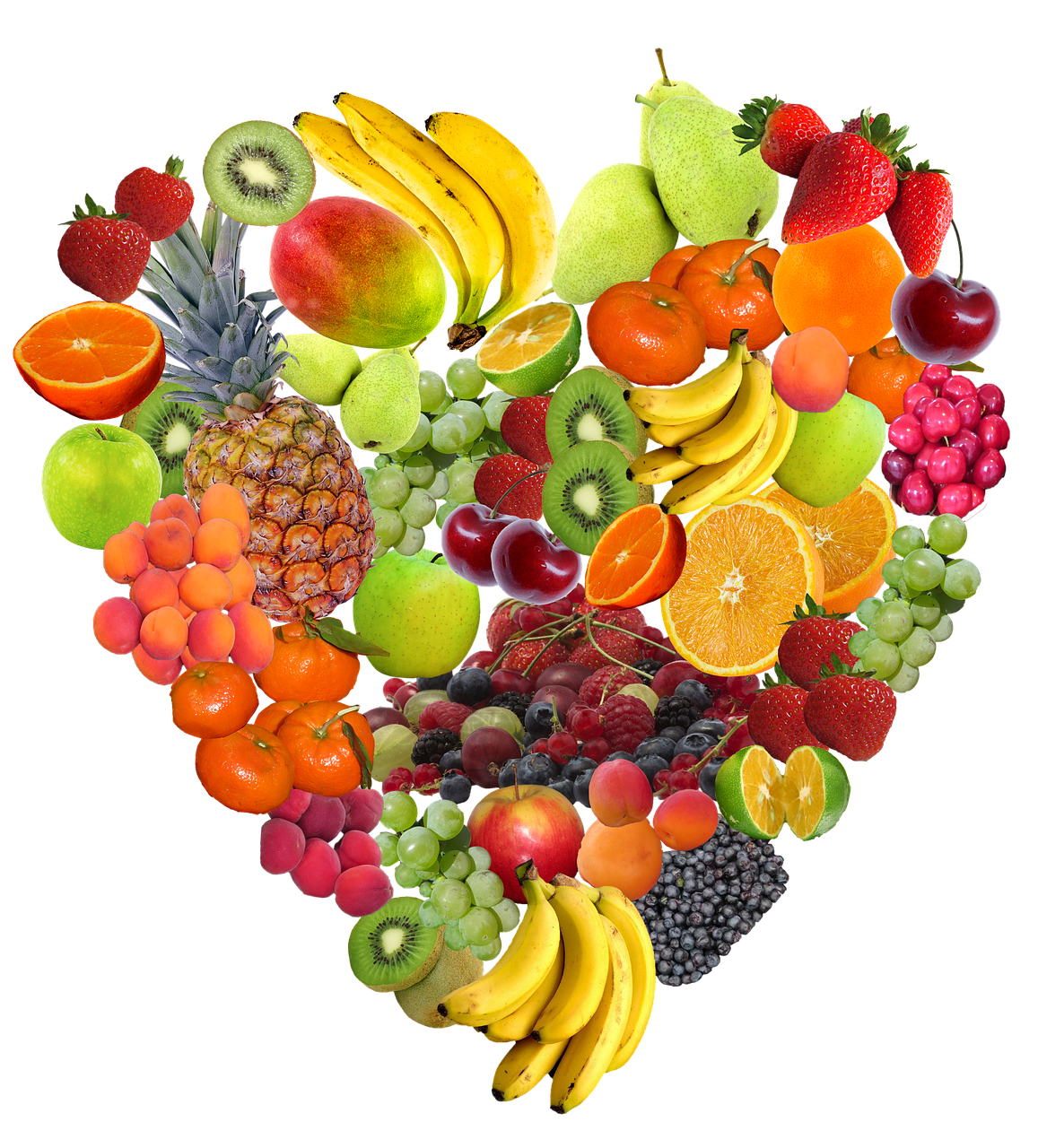
jamies stanos heart

In 2014, the (then) president elect for the American College of Cardiology, Dr. Kim A. Williams,  published an article on MedPage Today that both explained his experience with veganism, and why he recommended the diet his patients suffering from hypertension and Type 2 diabetes (among other medical afflictions). The article brought on a great deal of backlash from the Cardiology community, as many medical professionals felt he was pushing a “radical” diet on everyone based on just his individual experience. Dr. Williams dismissed these claims as not being true.

Controversy aside, Dr. Williams’s article and experiences with veganism offer some interesting insight into (his experience) benefits of veganism.


Dr. Williams noted in his article that he became interested in the vegan diet after he learned that his LDL cholesterol numbers had increased by 60 points in just a few years. Dr. Williams noted that his exercise habits had faltered over those years, but he also had suspicions that his diet was also playing an active part in his cholesterol levels. The cholesterol levels found in food often has a negligible effect on blood cholesterol levels, but do have major effects on certain people, and Dr. Williams believed he was one of them.

Dr. Williams’s diet of no red meat, fried foods, and minimal dairy was clearly not doing the job at maintaining his health as he thought, so he switched to a “cholesterol free” diet, which was for all intents and purposes a vegan (plant based) diet. He found that in six weeks, his LDL cholesterol levels were significantly reduced and were a 90 at his next blood test.

Dr. Williams’s experience (and the results he saw) with his switch to a vegan diet were extraordinary, and definitely offered a glimpse of what veganism was capable of…for certain bodies. Even Dr. Williams acknowledges that the results from such a dietary switch can be variable.

In Dr. Williams’s article on MedPage Today, he also noted that the studies suggesting a connection between plant based diets and reduced heart disease are either “very large and observational or small and randomized” and “ larger randomized trials are needed. ”


Veganism continues to be a controversial topic, and research continues to look for solid links between plant based diets and overall health. While I always encourage a “healthy” diet, I continue to be interested in exactly what is truly considered “healthy”.

Is it a fully plant-based diet? Is it vegetarianism? 

As this article published by Harvard Health Publications stated,

there still aren’t enough data to say exactly how a vegetarian [or vegan] diet influences long-term health.”

It will be interesting to see what conclusions the medical field will be able to draw with continued research.


For additional sources for this post, please see the following articles: The New York Times and MedPage Today

Naturally Reenergize Your Body – Part 1

cycling


Our society is one that truly never sleeps.  In order to lead a successful life, our bodies wake up early, commute, work, communicate, and stay up late to tie any loose ends to our days. We are constantly on the go, and all of demand we put on our body through daily tasks and responsibilities takes a toll on our overall energy. There are a few different steps that one can do to replenish and then boost your body’s daily energy.


Eat Small, More Often

The “eat small meals, multiple times a day” schedule is famous because of the belief that it lead to weight loss. While that has not been proven, it has been proven that multiple small meals a day can have a direct correlation to increased energy levels. Our brains use glucose as food. Low levels and high levels of glucose effect the brain similarly; they lead to feelings of sluggishness and a lack of energy. Our current “normal” eating schedules make it impossible to not have unregulated levels of glucose in our bodies, which means we are creating periods of low energy. (We’re used to little or no breakfast and large lunches.)  The key is to start with a fully balanced breakfast, and then eat small, nutritious snacks and meals about every 3-4 hours.


Have A Regular Sleep Schedule

Before modern technology, our brains were trained to release neurotransmitters to the rest of the body that coincided with the sun rising and setting. Our brains and bodies were on a consistent, rhythmic schedule that would sleep when darkness set in and wake up when it was light out. These days, our natural rhythms are interrupted by alarms and routines that keep our sleep schedules erratic. It is up to us to re-regulate our bodies by getting up at the same time and going to sleep at the same time every day. That regularity allows our bodies to sleep more efficiently, which directly correlates to more the recuperation of energy.

Be sure to check back next month for more tips to naturally increase your energy.


__


To see the article that inspired this post, please click here.

A Beginner’s Guide to Running

runner

As we round the corner of the new year, the mental new year’s resolutions to form. Becoming a more healthy and fit version of one’s self is usually high on the resolution list, and many people turn to running.

Before you throw yourself into running, do a little prep work. These are some tips that you keep in mind to make sure that you’re not only running safely, but you’re getting the most out of your new running regimen.


Pick Out Your Running Shoe

This may not seem like an important step, but picking the correct shoe is key to maintaining long term physical health. You need to make sure that you choose a shoe that caters to both your body and your specific running needs. Keep the following things in mind when choosing your shoe:


  • Make sure you get your feet sized in the store. If your feet are distinctly different sizes, it may make sense to go to a specialty store to purchase differently sized shoes; you want them to fit perfectly.
  • Choose shoes that have a small heel-to-toe drop (the difference in thickness between the cushion in the front of the shoe and the heel of the shoe). Keeping the heel-to-top drop small ensures that your feet will properly support your weight with every step


Set Multiple, Realistic Goals

One of the biggest mistakes that people make when starting to run is allowing themselves to get discouraged too easily. If you have no history of running, it’s okay that you aren’t immediately able to run a 5K. Set your own pace, and make realistic goals for your body. A goal can simply be “I’m going to run for a solid 10 minutes”. When you have achieved one goal, set another. Ramp yourself up as you learn what your body can and cannot take. Don’t be ashamed of your pace.

Create A Schedule

If you have not run before, or are out of practice, don’t start out trying to run every day.  Your muscles need time to rest and repair in between your workout sessions. Since running is impact-heavy, you can start out by alternating between running one day and doing something low impact the next. On a week-to-week basis you can start to ramp up the amount of time/distance that you are running. Remember not to try to do too much all at once.

For more resources, see the following articles: here, here & here


A Guide to The (Real) Simple Superfoods

Every time you turn around in the health and fitness industry, you hear the term “superfood”. More often than not, it’s some new exotic grain or impossible-to-find vegetable that is supposed to be the equivalent to the fountain of youth. We all know how that story goes, the superfood of the moment gains popularity for a few weeks (or months) and then fades away when it’s discovered that it didn’t actually do all that much for the body anyway.

But, there are a few foods that truly fit the definition of what a superfood should be. They’re far simpler than one would expect, and are readily available at any standard grocery store.  When someone says superfood, the food should be doing something extraordinary, and that’s what these do. The following foods do more than just provide the great nutrients; they are also packed full of phytochemicals, fiber, and antioxidants, which all have hugely important health benefits.


Blueberries

jamie stanos blurberries

Image courtesy of Getty Images

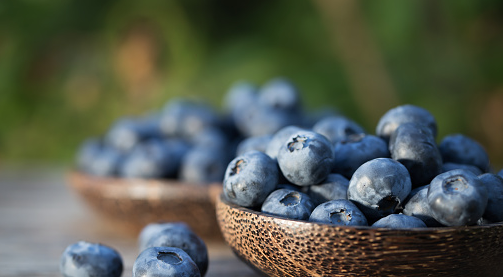
Blueberries are thrown into all kinds of desserts and sweets these days, so people forget how amazing they are on their own. There has been research that suggests blueberries have the ability to reduce high blood pressure and cholesterol. They also have qualities that benefit specific segments of society. For women who are post menopausal, hypertension and high blood pressure are common afflictions. When consumed in specific quantities, blueberries have been found to help these women reduce their diastolic blood pressure. Athletes can also benefit from blueberries, as they help combat the oxidative stress that occurs due to exercise.


Yogurt

jamie stanos yogurt

Image courtesy of Getty Images

Yogurt is often overlooked for it’s true value; people generally throw yogurt into their daily routine when dieting, but don’t really understand how beneficial yogurt really is. It’s full of calcium, potassium, and both vitamins A and B-12. Ingesting the correct amount of potassium (via yogurt) can contribute to a reduction of high blood pressure. Yogurt as a whole has also been found to help with weight loss and the prevention of type 2 diabetes.


Brassica Vegetables

Screen Shot 2015-09-18 at 1.49.36 PM

Image courtesy of Getty Images

Brassica vegetables are not as fancy as the name suggests. Brassica is the latin name for the cruciferous vegetable family (aka green vegetables):  broccoli, bok choy, brussels sprouts, kale, brussel sprouts, etc. The veggies in the brassica family are known for being very high in nutrients despite having a very low calorie count. They are helpful for anti-inflammation, healthy eyesight, and relieving the same oxidative stress mentioned earlier this article.


The article that inspired this blog was posted here by American Fitness, the official publication of The Aerobics and Fitness Association of America.