Recommended Diet for a Dialysis Patient

While you’re on dialysis, it’s important to be cognizant of what you’re eating. While on dialysis, it’s important to monitor your intake of sodium, potassium, protein, phosphorus, and the amount of fluids in the foods you consume. The best option would be to meet with a kidney dietician, however here’s a helpful guide to get you started today.

Low-Sodium
While on dialysis, keep your sodium intake to less than 2,000 mm per day. Many of the foods we eat today have sodium added as a preservative. Be sure to read labels and avoid canned foods that are high in sodium. Shop for snacks that are low-sodium or don’t have salt added. It’s good to keep in mind that if food has the label “low-sodium,” it could mean a lot of potassium has been added to substitute the salt.

Low-Potassium
Whole grain foods, bananas, tomatoes, potatoes, orange juice, and cereals can all contain high amounts of potassium. Good substitutions for these foods are choosing white bread instead of whole grain, rice over pasta, and fruits and vegetables such as broccoli, cucumbers, carrots, and applesauce.

Lean-Protein
Sources of protein, such as meat, is a key ingredient in your dialysis diet. Choose lean meats that don’t have a high content of salt or any added gravies. These meats can be beef, fish, chicken, and pork. You can also achieve your protein goals by eating foods like black beans, kidney beans, nut butter, and limited amounts of cheese.

Low-Phosphorus
Foods that are high in phosphorus are dairy products, meats, and whole grains. As mentioned above, meats can be an excellent source of protein for patients on dialysis, so be sure to eat whole grains and dairy products in moderation.

Plenty of Fluids
The amount of fluids you should drink will depend on the amount of urine your kidneys produce, so pay close attention to your doctor’s recommendation. Juices that are good for kidney dialysis patients are apple, grape, and cranberry juice. You can also drink tea, water, and clear sodas to keep yourself hydrated.

A Guide to The (Real) Simple Superfoods

Every time you turn around in the health and fitness industry, you hear the term “superfood”. More often than not, it’s some new exotic grain or impossible-to-find vegetable that is supposed to be the equivalent to the fountain of youth. We all know how that story goes, the superfood of the moment gains popularity for a few weeks (or months) and then fades away when it’s discovered that it didn’t actually do all that much for the body anyway.

But, there are a few foods that truly fit the definition of what a superfood should be. They’re far simpler than one would expect, and are readily available at any standard grocery store.  When someone says superfood, the food should be doing something extraordinary, and that’s what these do. The following foods do more than just provide the great nutrients; they are also packed full of phytochemicals, fiber, and antioxidants, which all have hugely important health benefits.


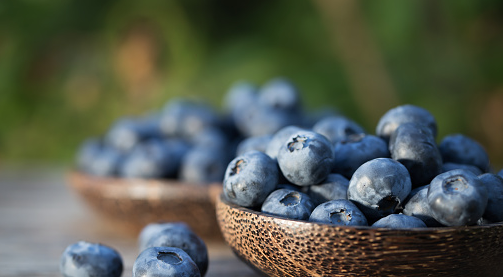
Blueberries

jamie stanos blurberries

Image courtesy of Getty Images

Blueberries are thrown into all kinds of desserts and sweets these days, so people forget how amazing they are on their own. There has been research that suggests blueberries have the ability to reduce high blood pressure and cholesterol. They also have qualities that benefit specific segments of society. For women who are post menopausal, hypertension and high blood pressure are common afflictions. When consumed in specific quantities, blueberries have been found to help these women reduce their diastolic blood pressure. Athletes can also benefit from blueberries, as they help combat the oxidative stress that occurs due to exercise.


Yogurt

jamie stanos yogurt

Image courtesy of Getty Images

Yogurt is often overlooked for it’s true value; people generally throw yogurt into their daily routine when dieting, but don’t really understand how beneficial yogurt really is. It’s full of calcium, potassium, and both vitamins A and B-12. Ingesting the correct amount of potassium (via yogurt) can contribute to a reduction of high blood pressure. Yogurt as a whole has also been found to help with weight loss and the prevention of type 2 diabetes.


Brassica Vegetables

Screen Shot 2015-09-18 at 1.49.36 PM

Image courtesy of Getty Images

Brassica vegetables are not as fancy as the name suggests. Brassica is the latin name for the cruciferous vegetable family (aka green vegetables):  broccoli, bok choy, brussels sprouts, kale, brussel sprouts, etc. The veggies in the brassica family are known for being very high in nutrients despite having a very low calorie count. They are helpful for anti-inflammation, healthy eyesight, and relieving the same oxidative stress mentioned earlier this article.


The article that inspired this blog was posted here by American Fitness, the official publication of The Aerobics and Fitness Association of America.